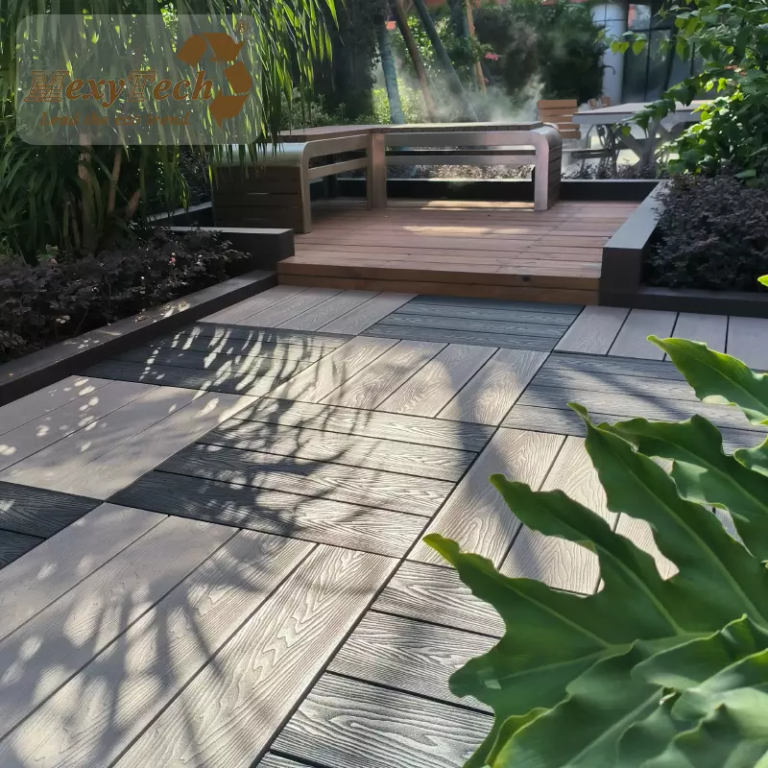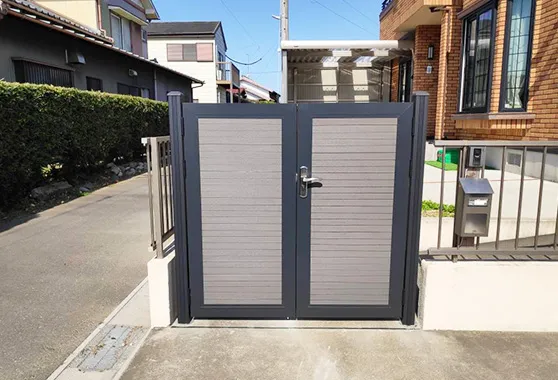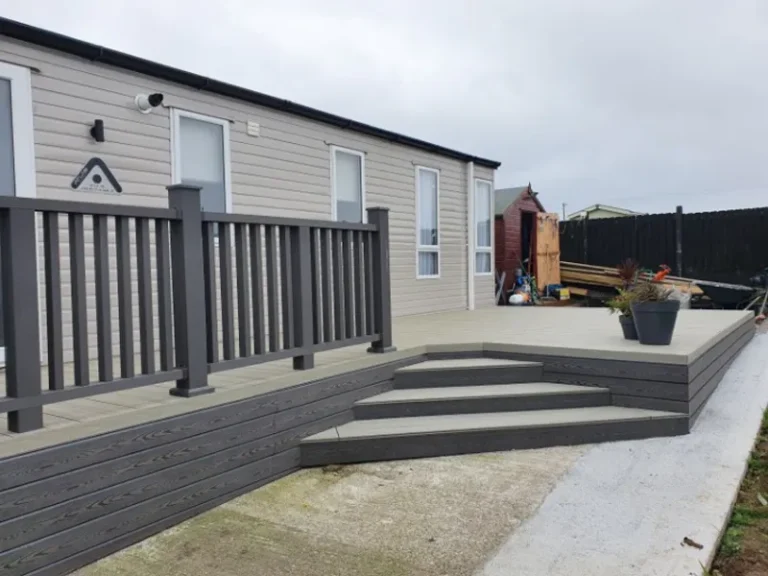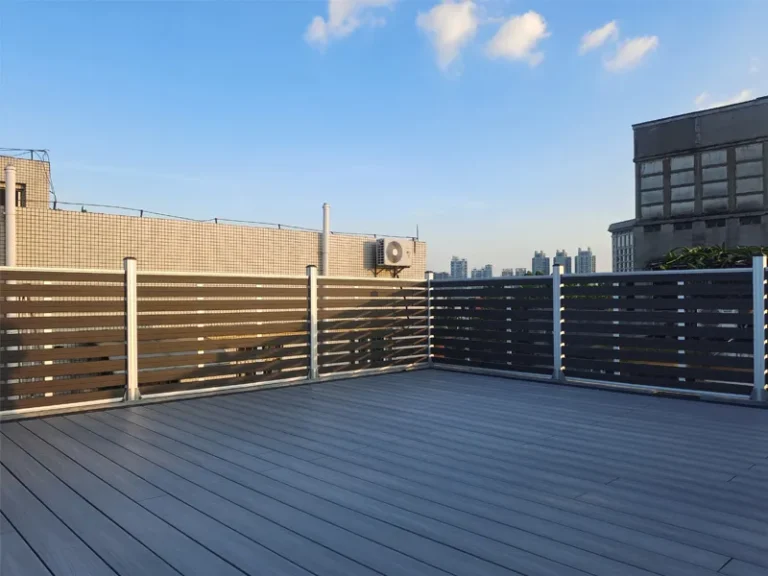
A level and stable foundation is essential for any raised decking system, especially when the existing ground or substrate is uneven. Adjustable decking pedestals provide a practical way to support decking substructures while allowing installers to control the finished deck height.
MexyTech MexyBase adjustable pedestals are designed to simplify this process. With tool-free height adjustment, they can be used with decking substructures for terraces, balconies, rooftops, patios, and other raised outdoor flooring projects.
What Is an Adjustable Decking Pedestal?
A decking pedestal is a support placed beneath the deck substructure to raise it above the existing substrate.
By adjusting individual pedestal heights, installers can create a level supporting structure even when the surface below has variations in height.
A raised system can also create useful space underneath the finished deck for drainage, ventilation, cables, pipes, or other building services, depending on the project design.
How Does the MexyBase Adjustable Pedestal Work?
MexyBase features an adjustable mechanism that allows the pedestal height to be changed by rotation.
Simply rotate the adjustment mechanism in the appropriate direction to raise or lower the support until the required height is achieved. This helps installers level different points of the decking substructure without complicated adjustment procedures.
Depending on the selected model, pedestal height can be adjusted to suit different installation requirements.
How to Install Decking Pedestals
Step 1: Prepare the Installation Surface
Before installation, inspect and clean the substrate.
Remove loose debris and identify significant height differences, drainage points, slopes, and other site conditions that could affect the raised decking system.
The substrate must be suitable for the intended installation and expected loads.
Step 2: Plan the Pedestal Layout
Determine where the pedestals need to be positioned according to the decking layout and supporting frame.
Correct spacing is important because the pedestals transfer loads from the decking and substructure to the surface below.
Pedestal spacing should therefore be determined according to the decking system, joist or frame specifications, expected loads, and project requirements rather than using one spacing for every installation.
Step 3: Position the Pedestals
Place the MexyBase pedestals at the planned support points.
At this stage, make sure each pedestal sits securely on the substrate and is correctly aligned with the supporting frame above.
Step 4: Adjust the Height
Adjust each pedestal until the supporting structure reaches the required elevation.
One of the main advantages of an adjustable system is that individual supports can be set at different heights. This makes it possible to compensate for variations in the substrate while maintaining a level deck surface above.
Use appropriate leveling equipment during installation to check the height across the entire structure.
Step 5: Install the Supporting Frame
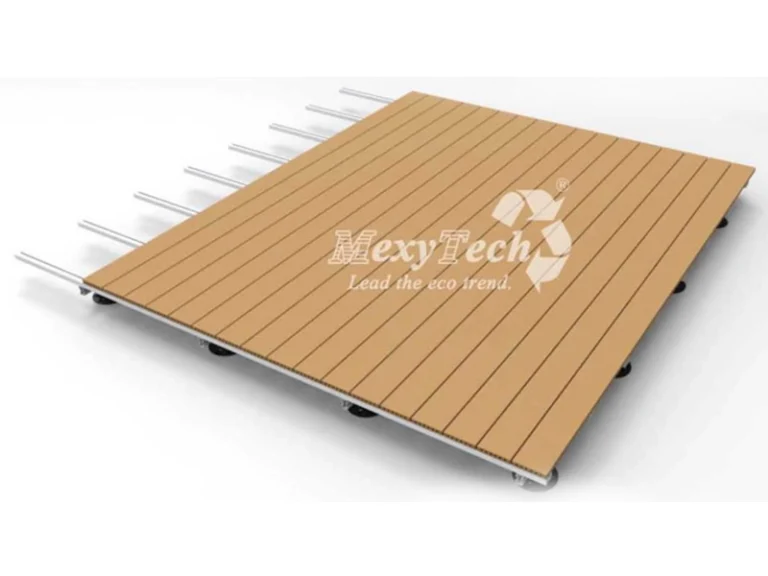
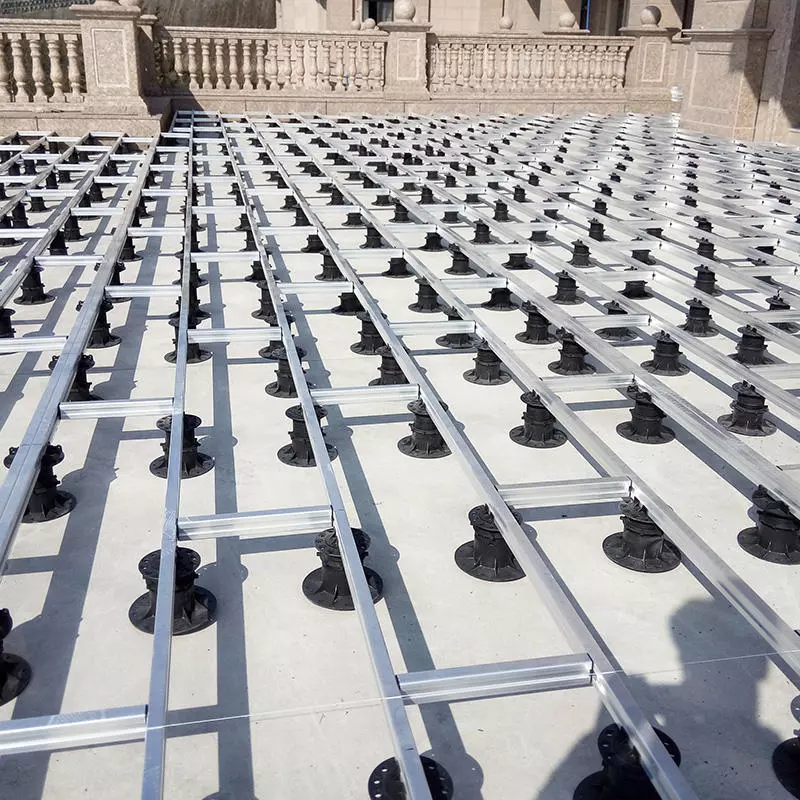
Once the pedestals are positioned and roughly adjusted, install the aluminum or other compatible supporting framework above them.
Check that the frame is properly supported and aligned at all required points.
The combination of adjustable pedestals and an aluminum substructure can provide a practical foundation for raised WPC decking and deck-tile systems.
Step 6: Fine-Tune and Level the Structure
Before installing the finished decking, check the complete substructure again.
Adjust individual pedestals where necessary until the supporting frame is level and stable. This step is particularly important when working on sloped or uneven substrates.
Step 7: Install the Decking
Once the substructure has been correctly positioned and leveled, install the selected decking according to the relevant installation requirements.
Depending on the project, the raised system can be combined with WPC decking, deck tiles, or other compatible outdoor flooring materials.
Complete a final inspection to confirm that the finished surface is stable and properly supported.
Why Use Adjustable Pedestals for Decking?
Adjustable pedestals offer several advantages for raised decking projects. They simplify height correction on uneven substrates, create space underneath the deck, and provide access to concealed drainage or services when the system is designed accordingly.
MexyBase pedestals are manufactured from durable polypropylene and are designed to provide strong support while remaining lightweight and convenient to handle.
For specific projects, always confirm the applicable pedestal model, adjustment range, load capacity, spacing, and compatibility with the selected decking system before installation.
Where Can Decking Pedestals Be Used?
Adjustable pedestal systems can be suitable for many residential and commercial applications, including rooftop terraces, balconies, patios, pool surrounds, courtyards, landscape decks, commercial terraces, and raised WPC decking systems.
They are particularly useful when the project requires an elevated finished floor without constructing a conventional fixed support structure.
Tips for a Successful Installation
Before beginning the project, prepare a clear layout and determine the required finished deck height. Pay particular attention to drainage and make sure the raised structure does not obstruct necessary water flow.
For larger or commercial projects, load requirements, pedestal spacing, substructure specifications, wind conditions, perimeter details, and applicable building requirements should also be considered.
Build a Better Raised Deck with MexyBase
Installing a raised deck becomes easier when the supporting system can adapt to different heights and site conditions.
MexyTech MexyBase adjustable decking pedestals provide a flexible support solution for WPC decking, deck tiles, and other compatible raised outdoor flooring systems. Combined with a suitable substructure, they help installers create a stable and level finished deck above uneven or sloped substrates.
For pedestal specifications, height options, load information, installation guidance, or project recommendations, contact MexyTech at info@mexytech.com.