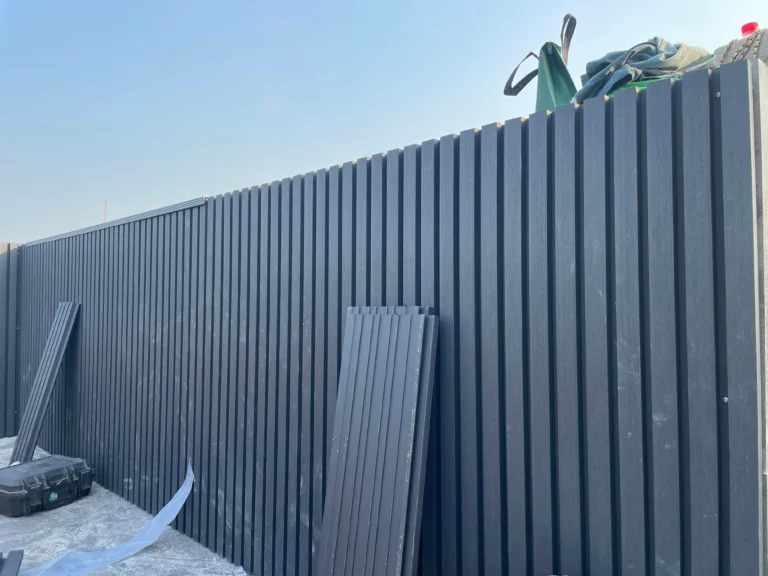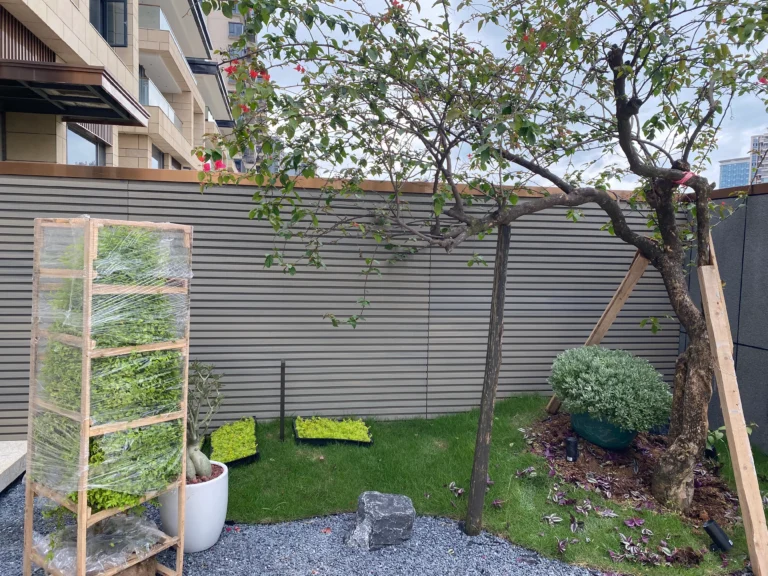
Wall cladding is one of the most effective ways to transform the look and feel of your home—both inside and out. Whether you’re aiming for a modern, rustic, or timeless aesthetic, the right cladding design can elevate your space, improve insulation, and add long-term value.
In this guide, we’ll explore popular wall cladding designs, materials, and ideas to help you create a stylish and functional home.
What Is Wall Cladding?
Wall cladding is the process of covering walls with an additional layer of material. This layer not only enhances visual appeal but also protects the structure from weather, moisture, and wear.
It can be used for:
-
Exterior façades
-
Interior feature walls
-
Commercial and residential spaces
Popular Wall Cladding Materials
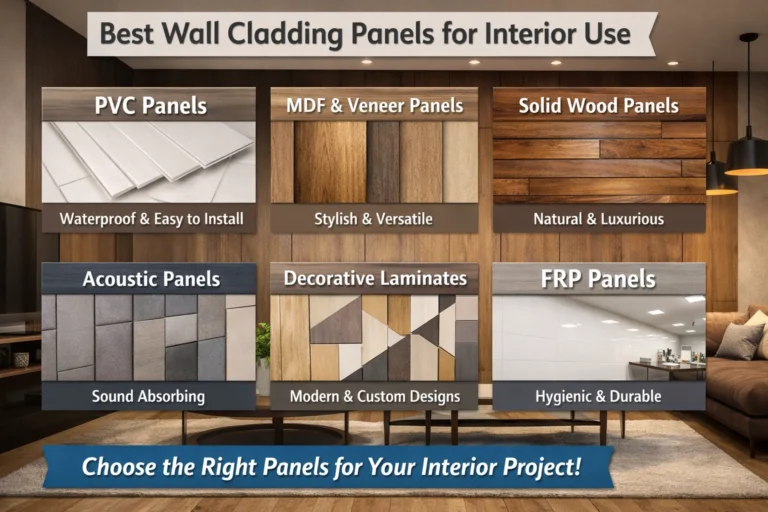
Choosing the right material is the first step toward achieving your desired design.
1. Wood Cladding
Wood brings warmth and natural beauty to any space. It works well for both modern and rustic designs.
Best for: Living rooms, bedrooms, exterior façades
Pros: Natural look, versatile, eco-friendly
Cons: Requires maintenance and sealing
2. Stone Cladding
Stone creates a luxurious, textured finish that adds depth and character.
Best for: Feature walls, fireplaces, exterior accents
Pros: Durable, weather-resistant, timeless
Cons: Heavier and more expensive
3. Brick Cladding
Brick offers a classic, industrial look that never goes out of style.
Best for: Loft-style interiors, exteriors
Pros: Strong, low maintenance, fire-resistant
Cons: Limited color variation compared to other materials
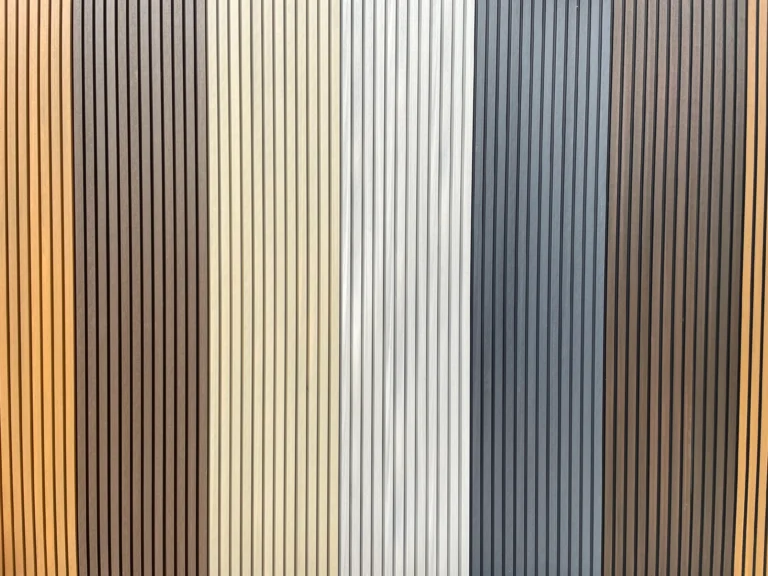
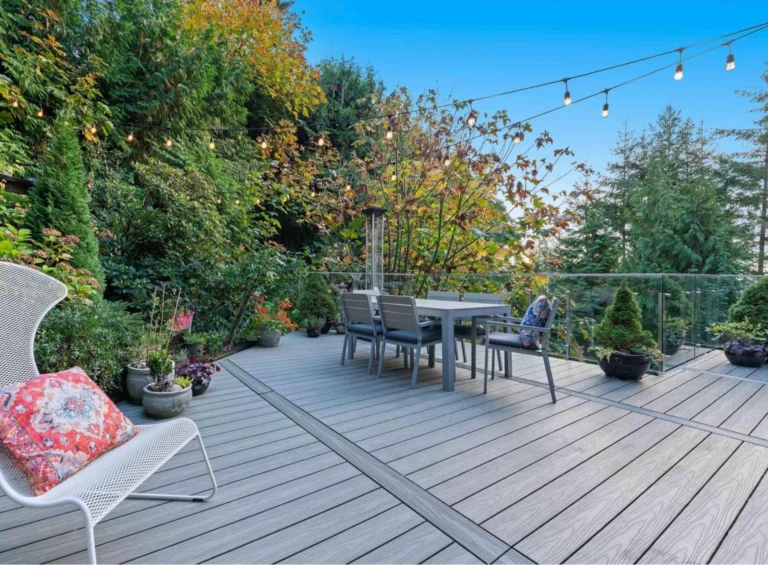
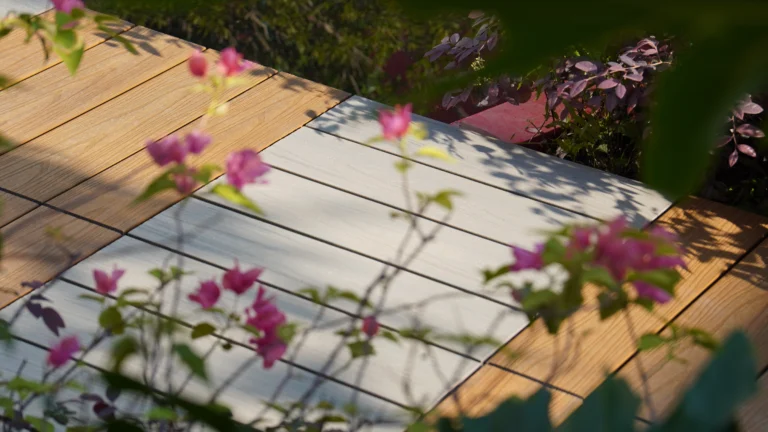
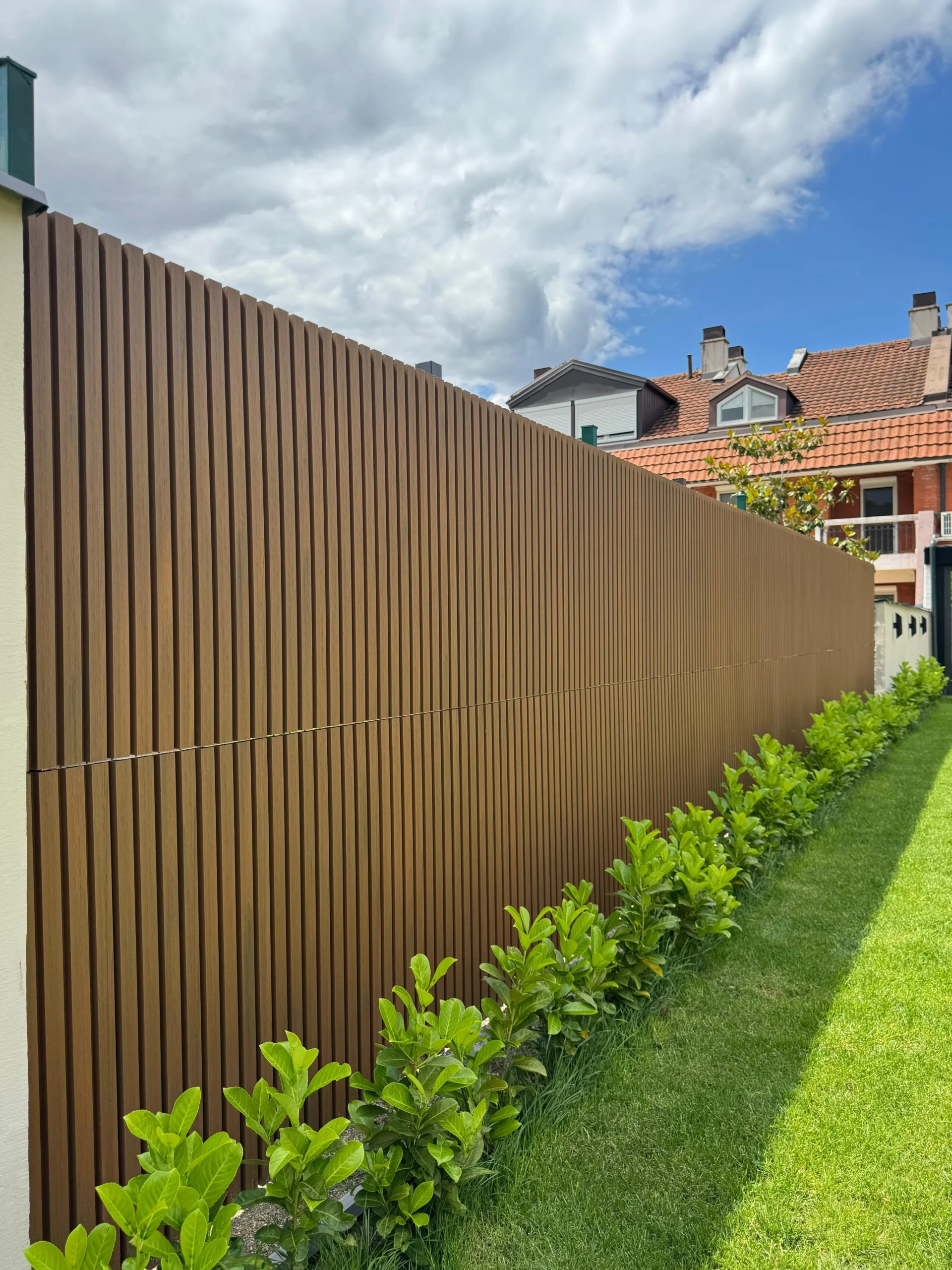
4. PVC & Composite Cladding
Modern and highly practical, PVC and composite cladding are gaining popularity for their durability and low maintenance.
Best for: Exterior walls, bathrooms, commercial spaces
Pros: Waterproof, termite-resistant, easy installation
Cons: Less natural appearance than wood or stone
5. Metal Cladding
Metal panels create a sleek, contemporary look often seen in modern architecture.
Best for: Modern homes, commercial buildings
Pros: Strong, lightweight, weather-resistant
Cons: Can be prone to dents and heat retention
Trending Wall Cladding Designs
Now that you know the materials, let’s look at design ideas that can elevate your home.
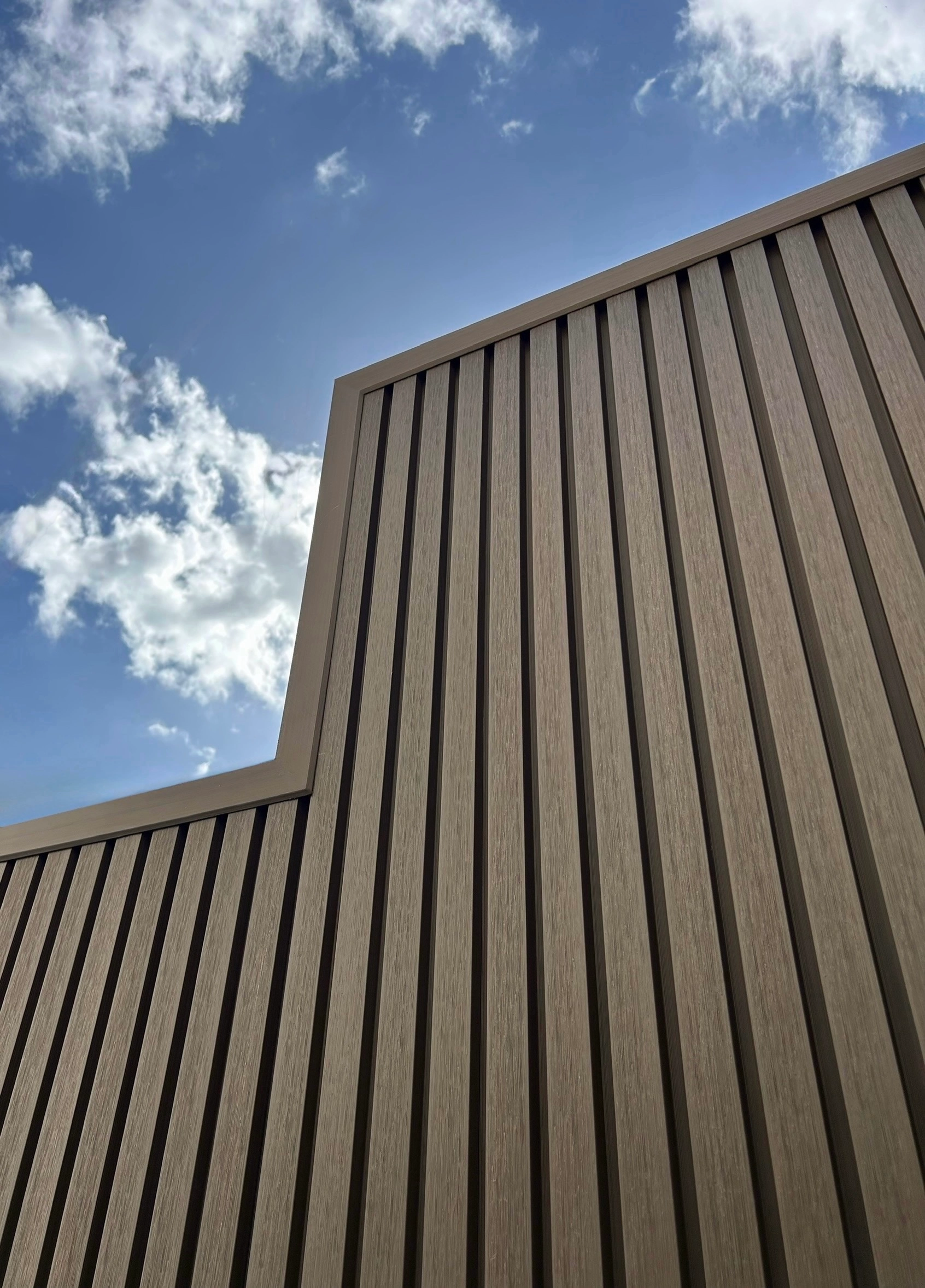
1. Vertical Slat Design
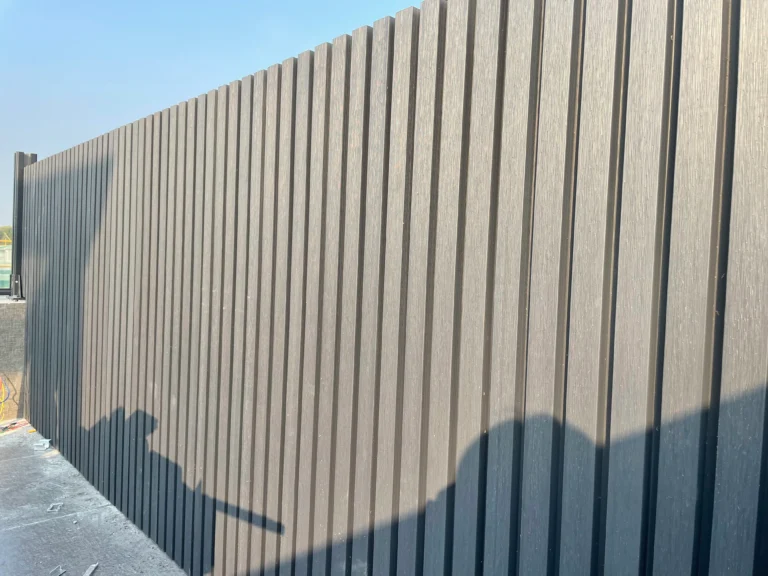
Vertical panels create the illusion of height, making spaces feel taller and more elegant.
Perfect for: Small rooms, modern interiors
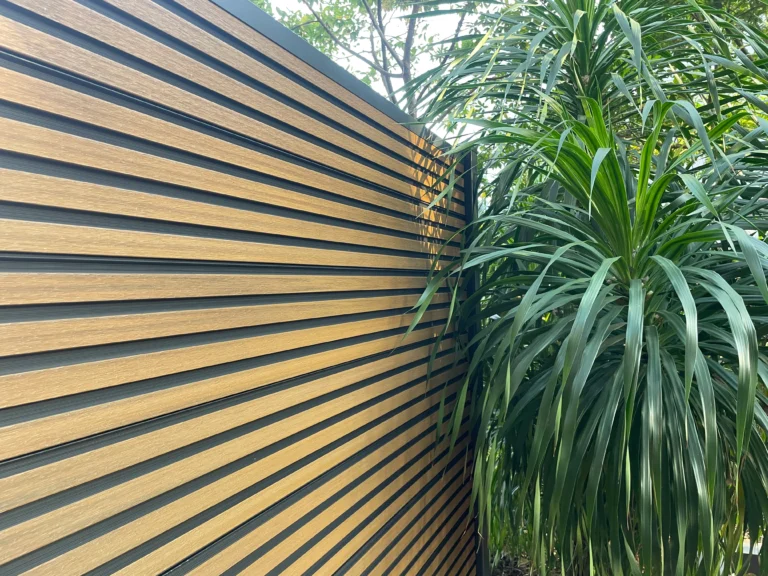
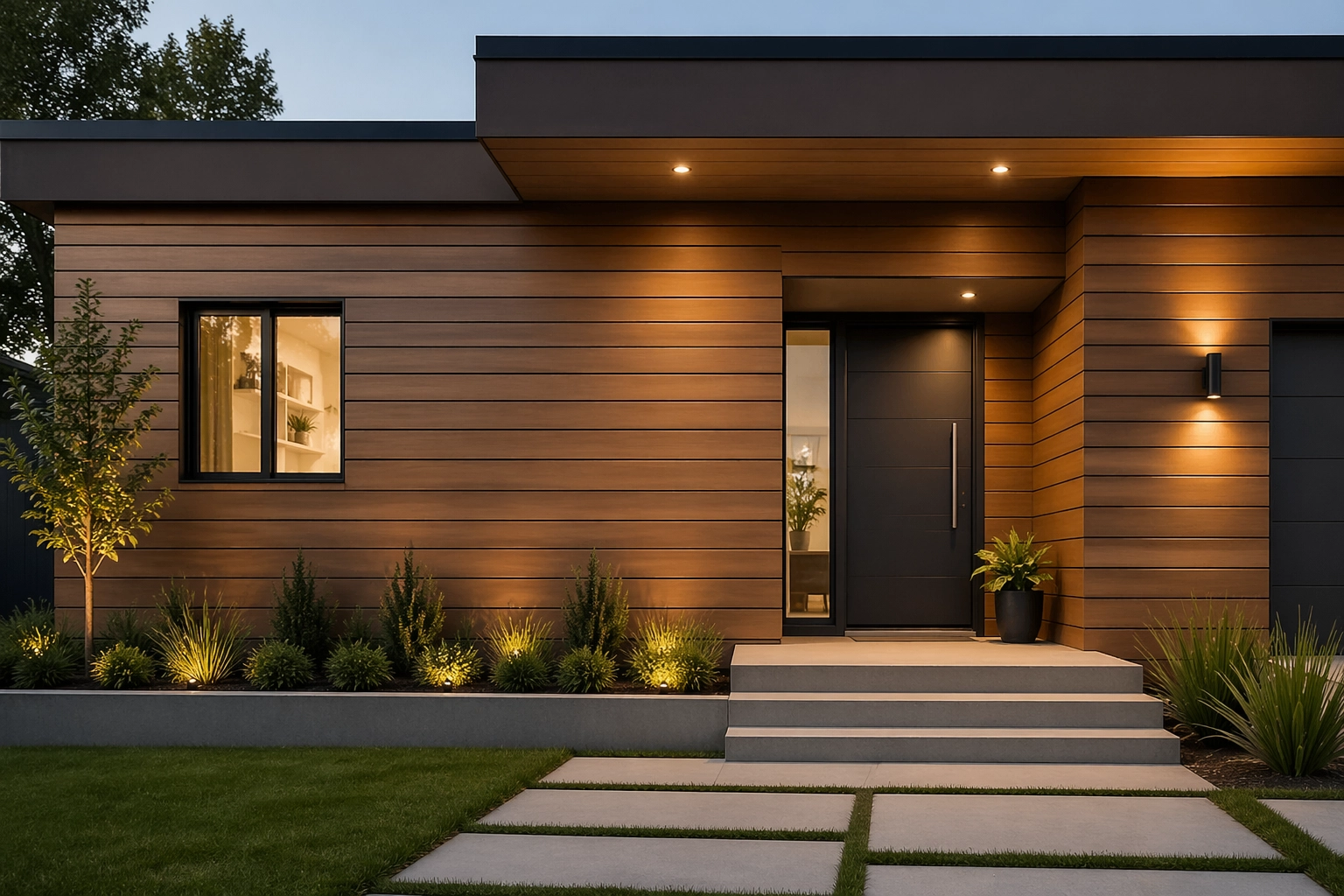
2. Horizontal Layering
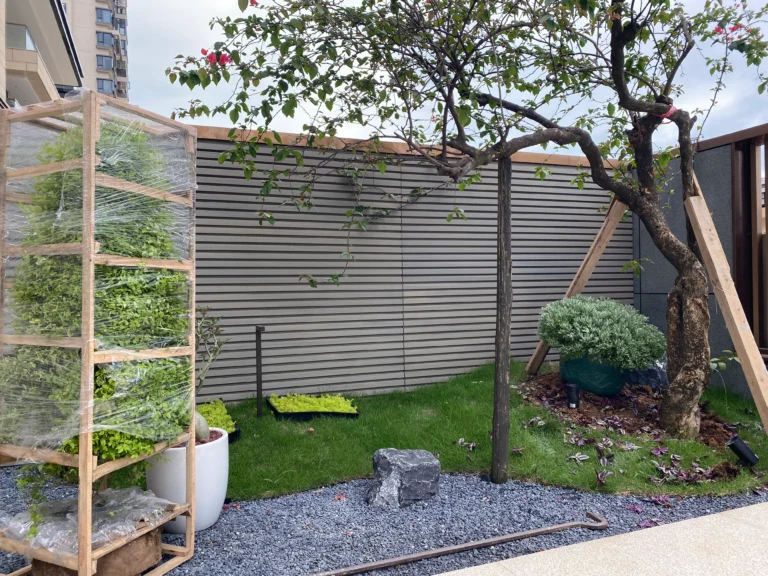
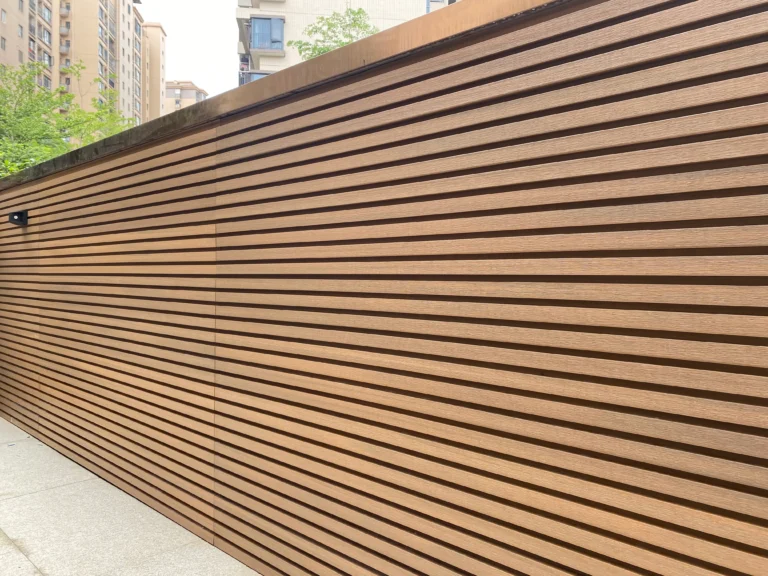
Horizontal cladding gives a wider, more expansive feel to walls.
Perfect for: Exterior façades, large living areas
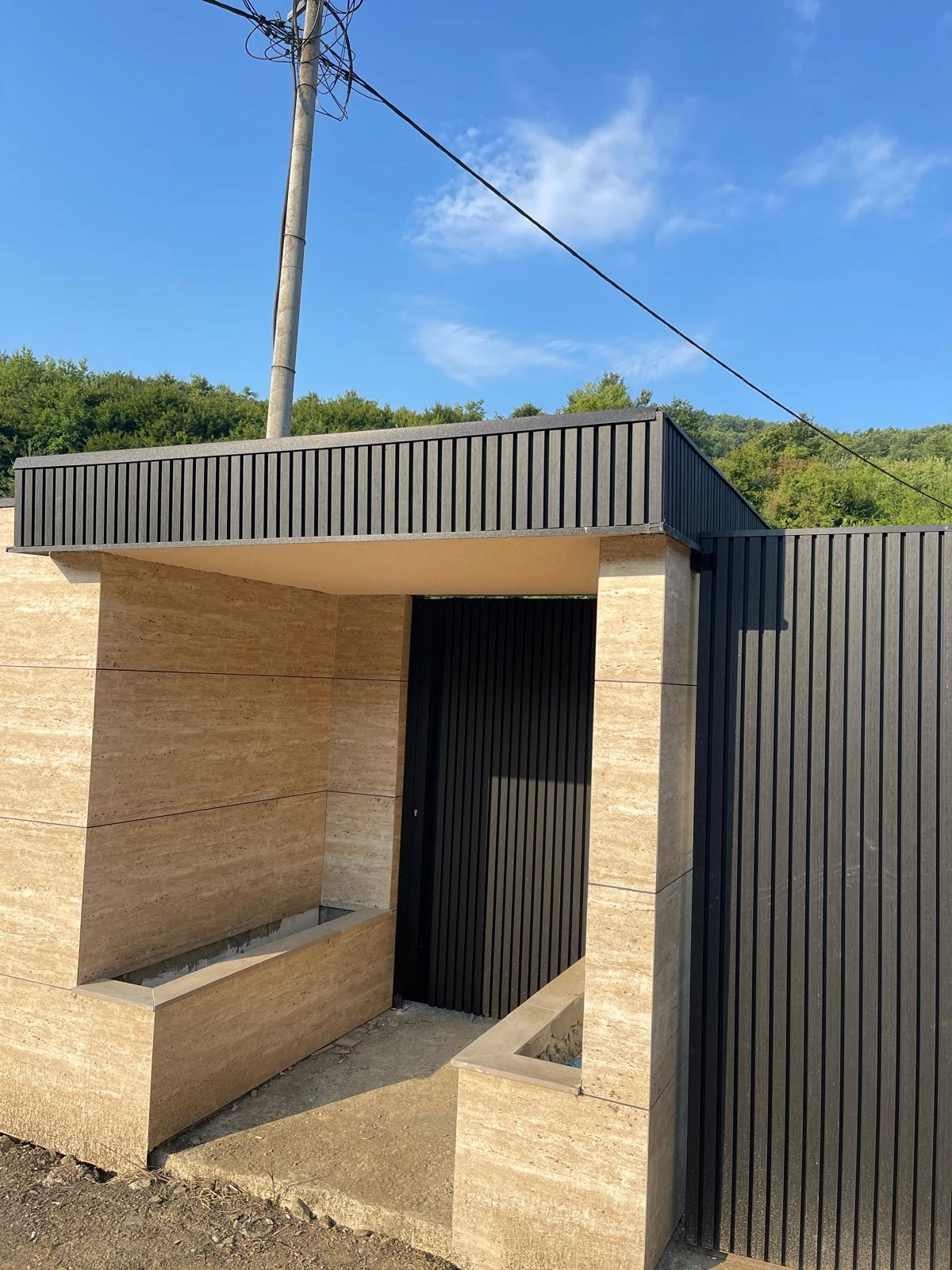
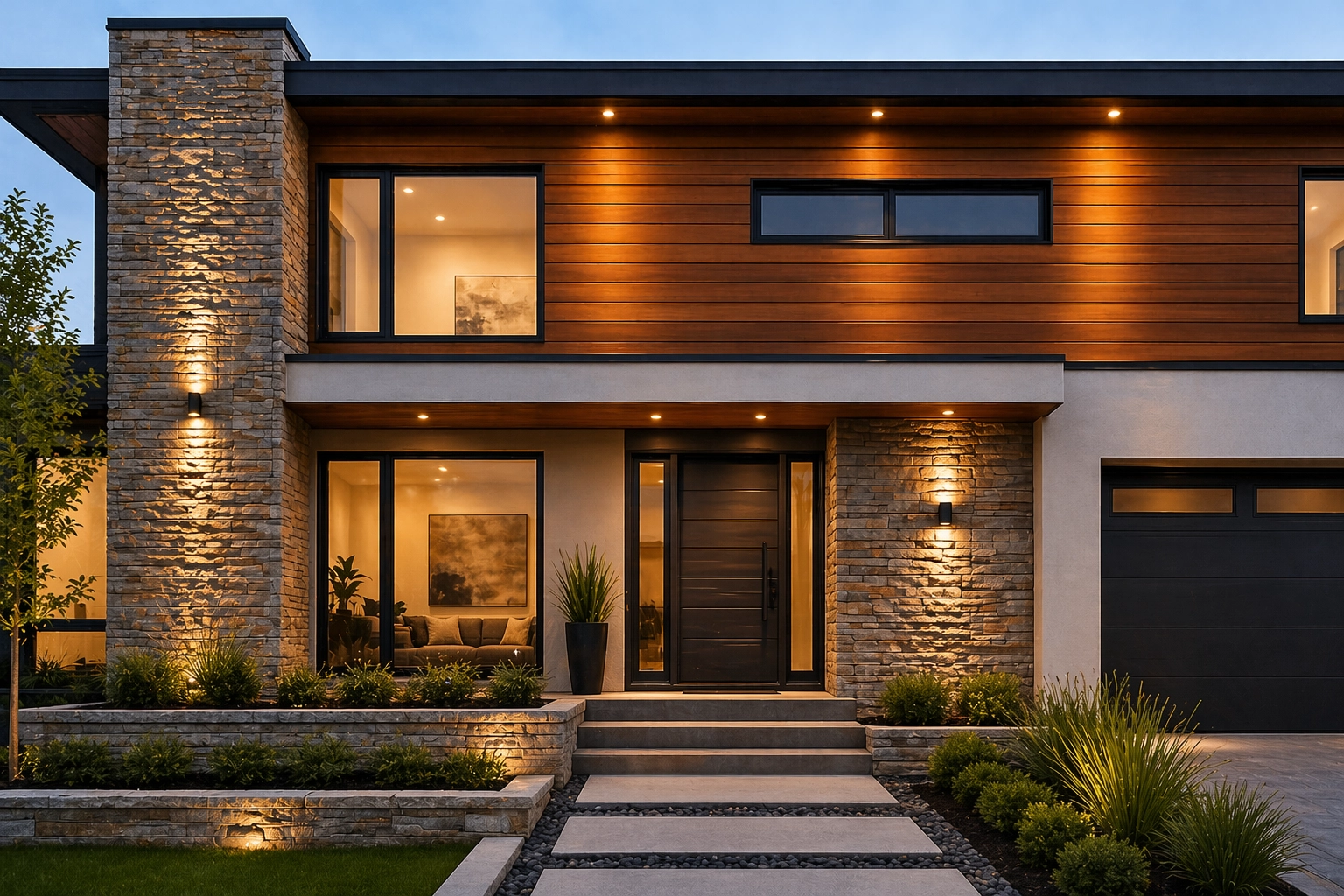
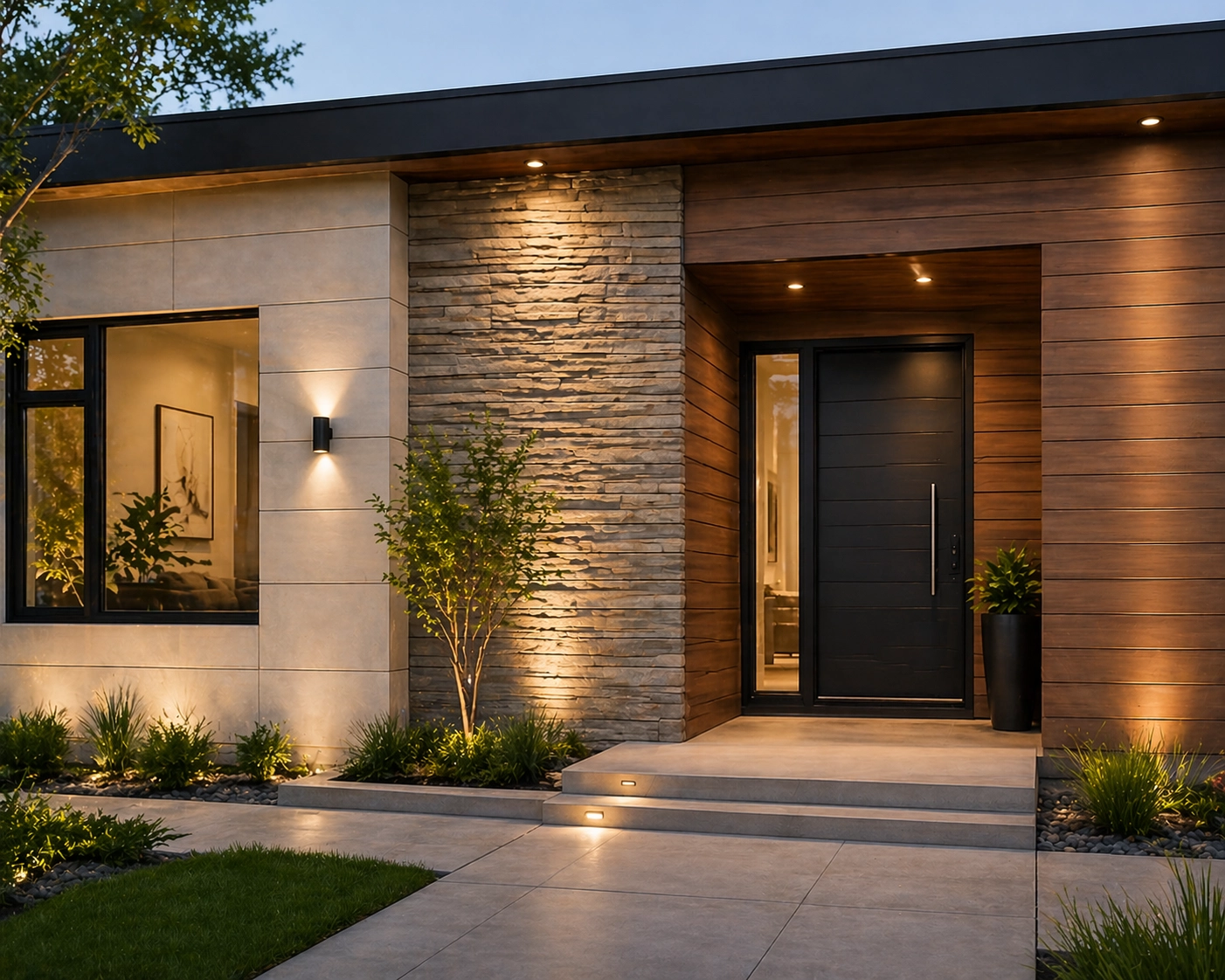
3. Mixed Material Cladding
Combining materials like wood and stone adds contrast and visual interest.
Perfect for: Feature walls, entryways
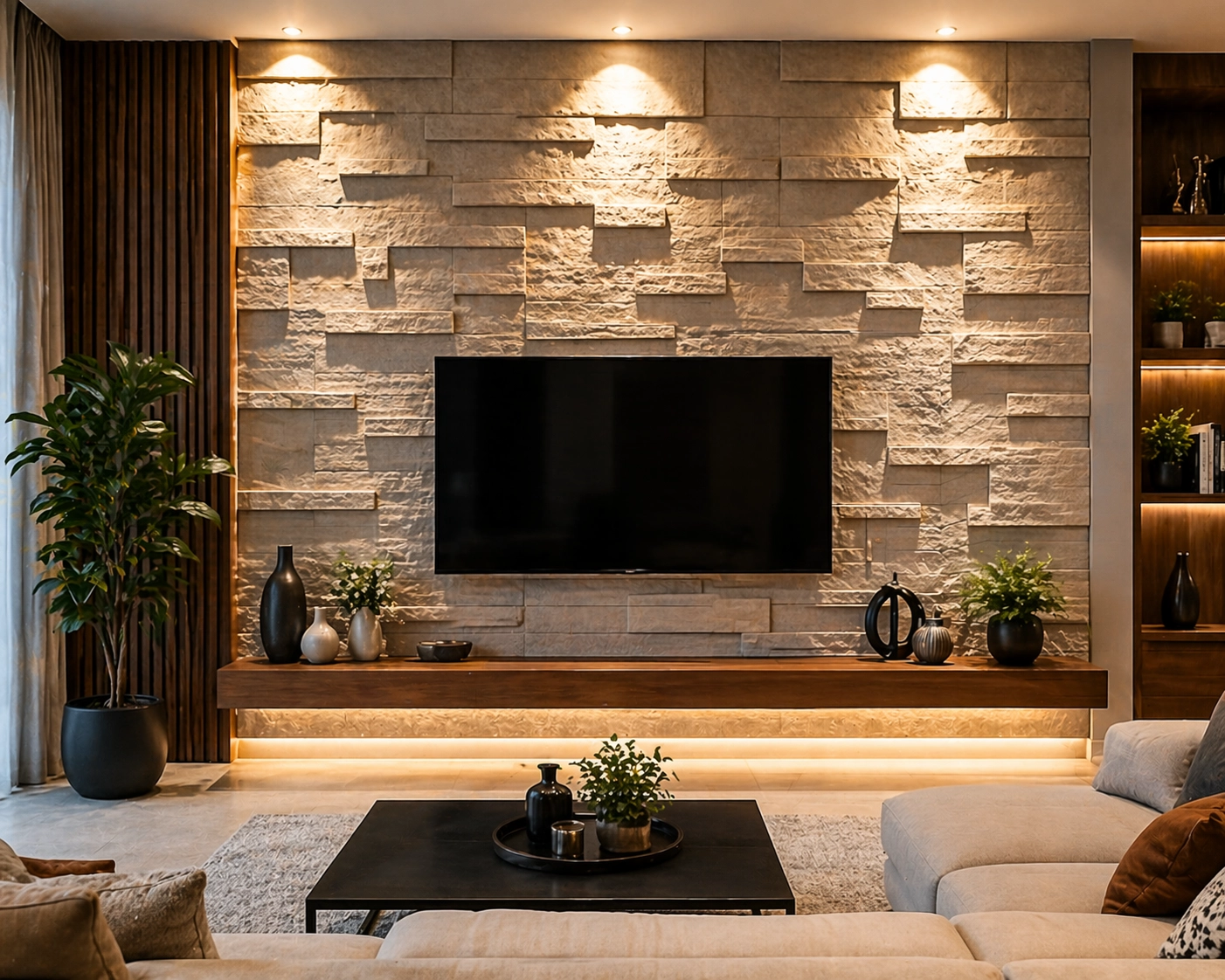
4. Textured Feature Walls
3D panels or uneven surfaces create depth and a bold focal point.
Perfect for: TV walls, bedrooms, reception areas
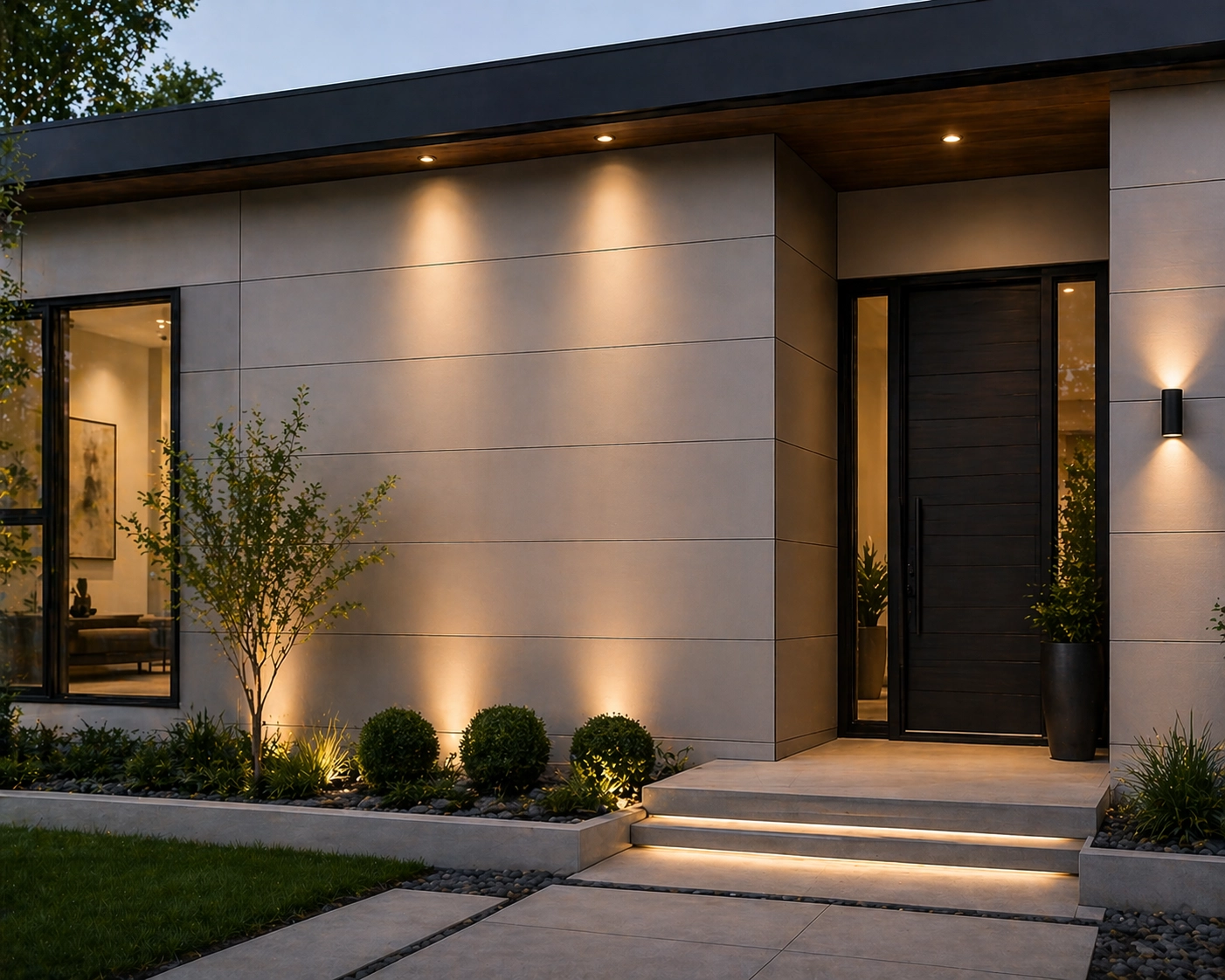
5. Minimalist Smooth Panels
Clean, seamless panels are ideal for a modern, understated look.
Perfect for: Contemporary homes, offices
6. Rustic Reclaimed Look
Using distressed or reclaimed materials adds character and sustainability.
Perfect for: Farmhouse or industrial styles
Final Thoughts
Wall cladding is more than just decoration—it’s a practical and stylish way to upgrade your home. From natural wood finishes to modern composite panels, there are endless wall cladding designs to suit every taste and budget.
By selecting the right material and design, you can create a space that not only looks stunning but also stands the test of time.
For further questions, please contact us at info@mexytech.com.