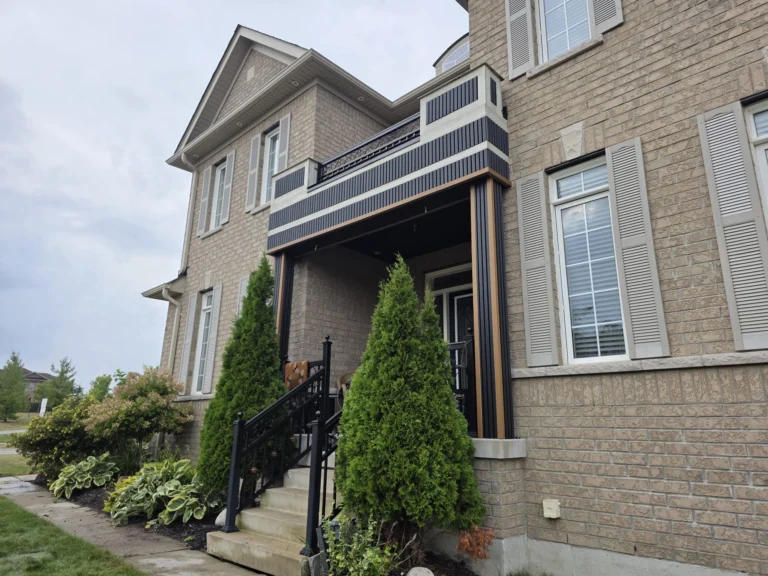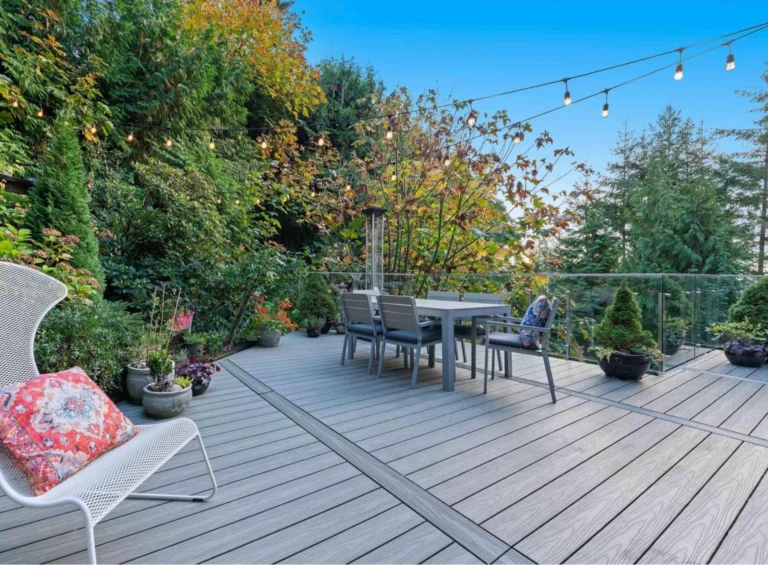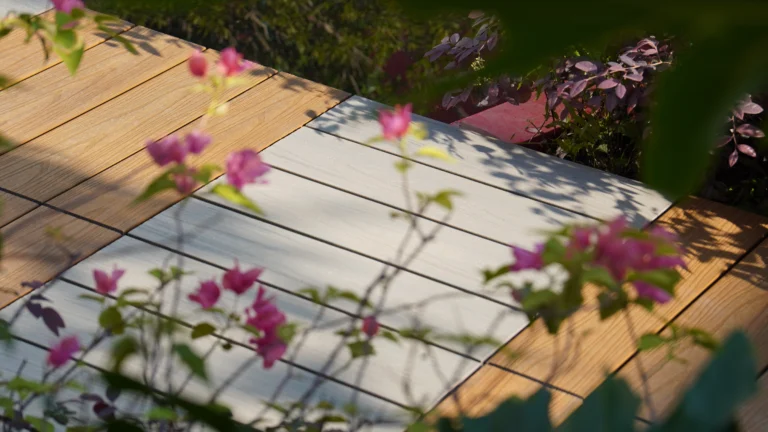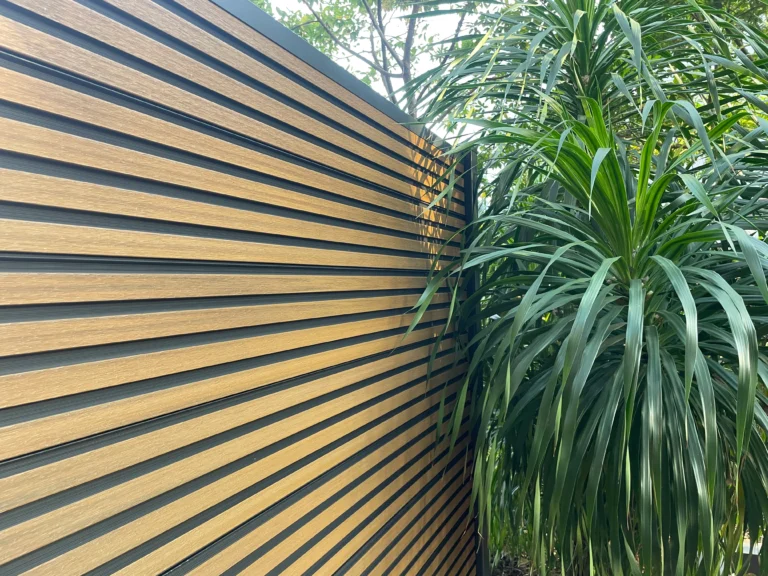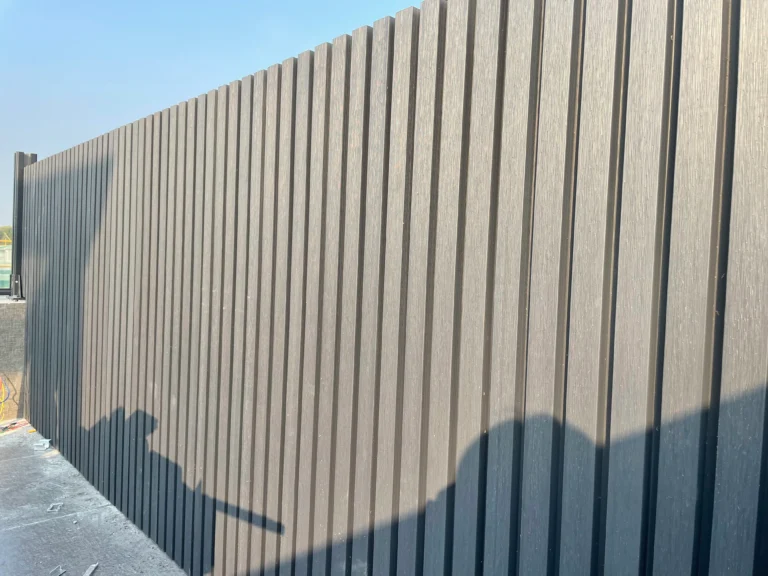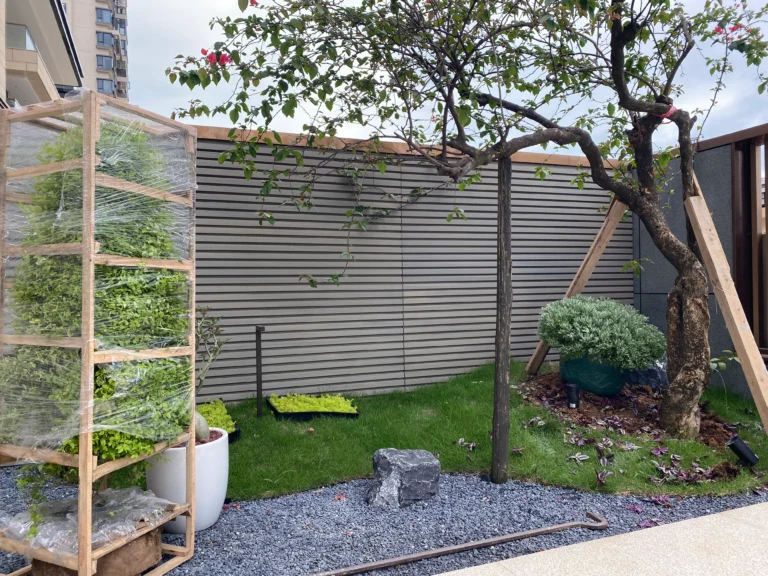
Exterior wood cladding remains one of the most popular choices for homeowners and architects who want to combine natural beauty with functional protection. It enhances curb appeal, provides insulation, and offers a warm, timeless look that suits both modern and traditional architecture.
In this guide, we explore the best types of exterior wood cladding, their advantages, limitations, and key considerations for choosing the right option.
1. Cedar Cladding
Cedar is a premium wood known for its rich color, natural grain patterns, and resistance to decay. Its natural oils make it resistant to moisture, insects, and fungal growth.
Advantages:
-
Naturally weather-resistant and durable
-
Warm, reddish-brown aesthetic
-
Low shrinkage and warping compared to other woods
Limitations:
-
Higher cost than many softwoods
-
Requires occasional maintenance to preserve color and prevent surface wear
-
Availability may vary depending on region
Cedar is ideal for residential projects where long-term performance and visual appeal are key priorities.
2. Redwood Cladding
Redwood offers a deep, reddish hue and tight grain, making it a favorite for high-end exterior finishes. It is naturally resistant to decay and insects, which extends its service life.
Advantages:
-
Excellent durability and resistance to rot
-
Premium appearance with rich, warm tones
-
Minimal warping and cracking
Limitations:
-
Premium pricing makes it less accessible for budget-conscious projects
-
Requires protective coatings to maintain original color over time
Redwood is particularly suitable for projects that aim to create a luxurious and natural aesthetic.
3. Pine Cladding
Pine is an affordable, widely available wood that is easy to work with and versatile. While it is softer than cedar or redwood, proper treatment can improve its durability for outdoor applications.
Advantages:
-
Economical and readily available
-
Lightweight and easy to install
-
Can be stained or painted to achieve various looks
Limitations:
-
Requires chemical or pressure treatment to resist moisture, rot, and insects
-
Shorter lifespan compared to cedar or redwood without regular maintenance
Pine is a practical option for projects with tight budgets or where flexibility in finishes is desired.
4. Thermally Modified Timber
Thermally modified timber (TMT) is wood that has been heat-treated to improve durability, stability, and resistance to decay without the use of chemicals.
Advantages:
-
Excellent resistance to moisture, insects, and fungi
-
Dimensionally stable—less prone to warping and shrinking
-
Eco-friendly, chemical-free treatment
Limitations:
-
Higher cost compared to untreated softwood
-
Limited natural wood color variation after thermal treatment
TMT is ideal for sustainable projects seeking long-lasting performance while maintaining a natural wood appearance.
5. Wood Plastic Composite (WPC) Cladding
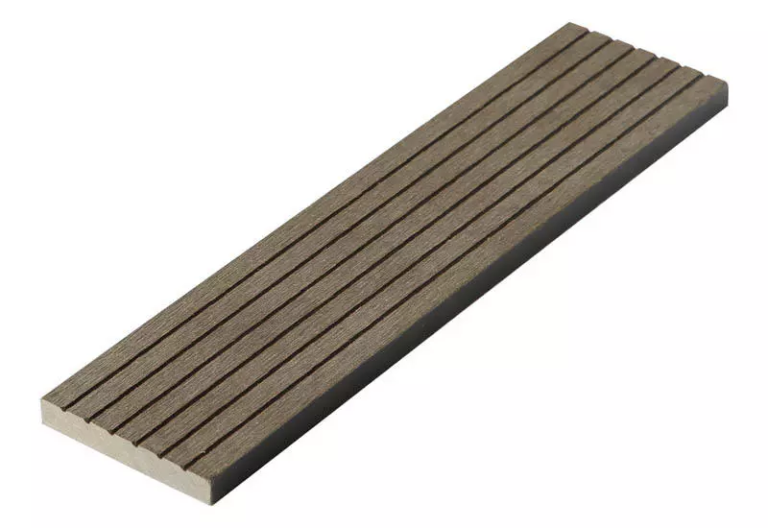
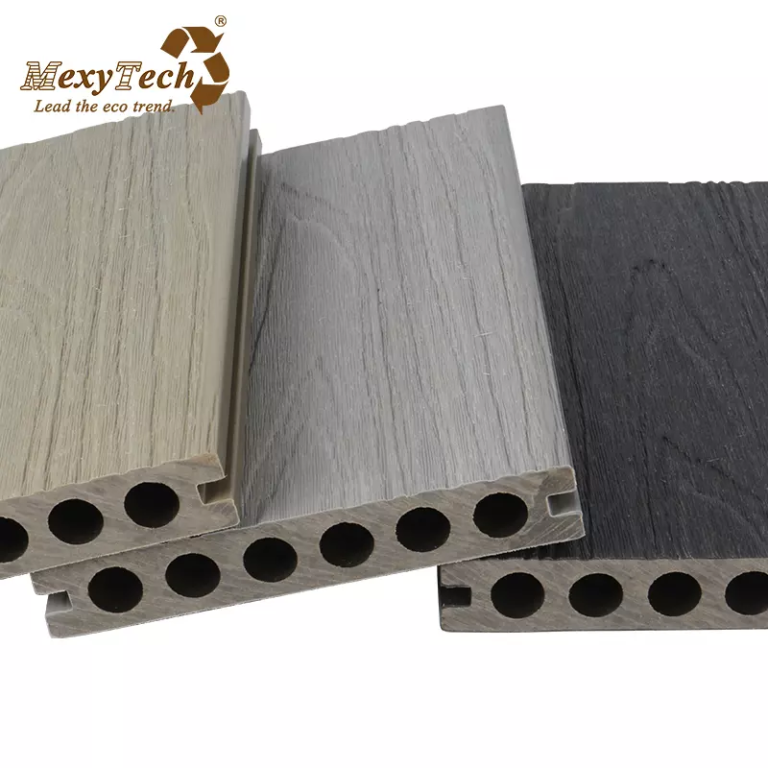
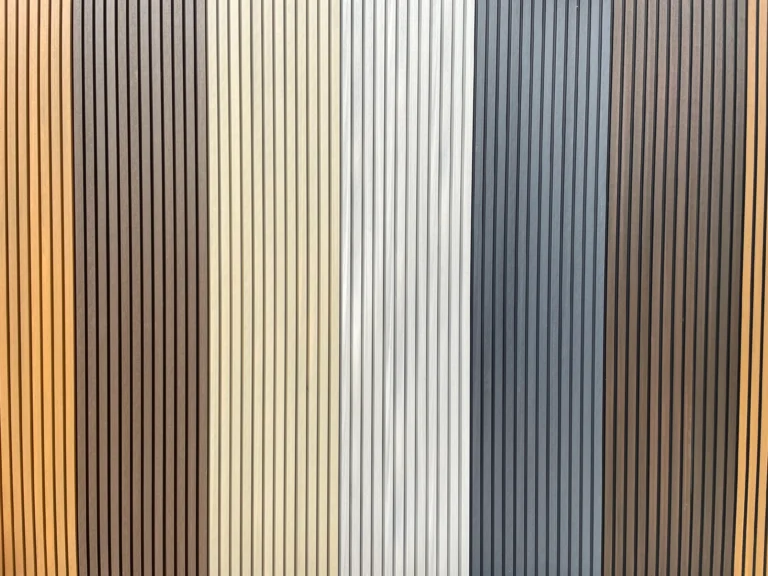
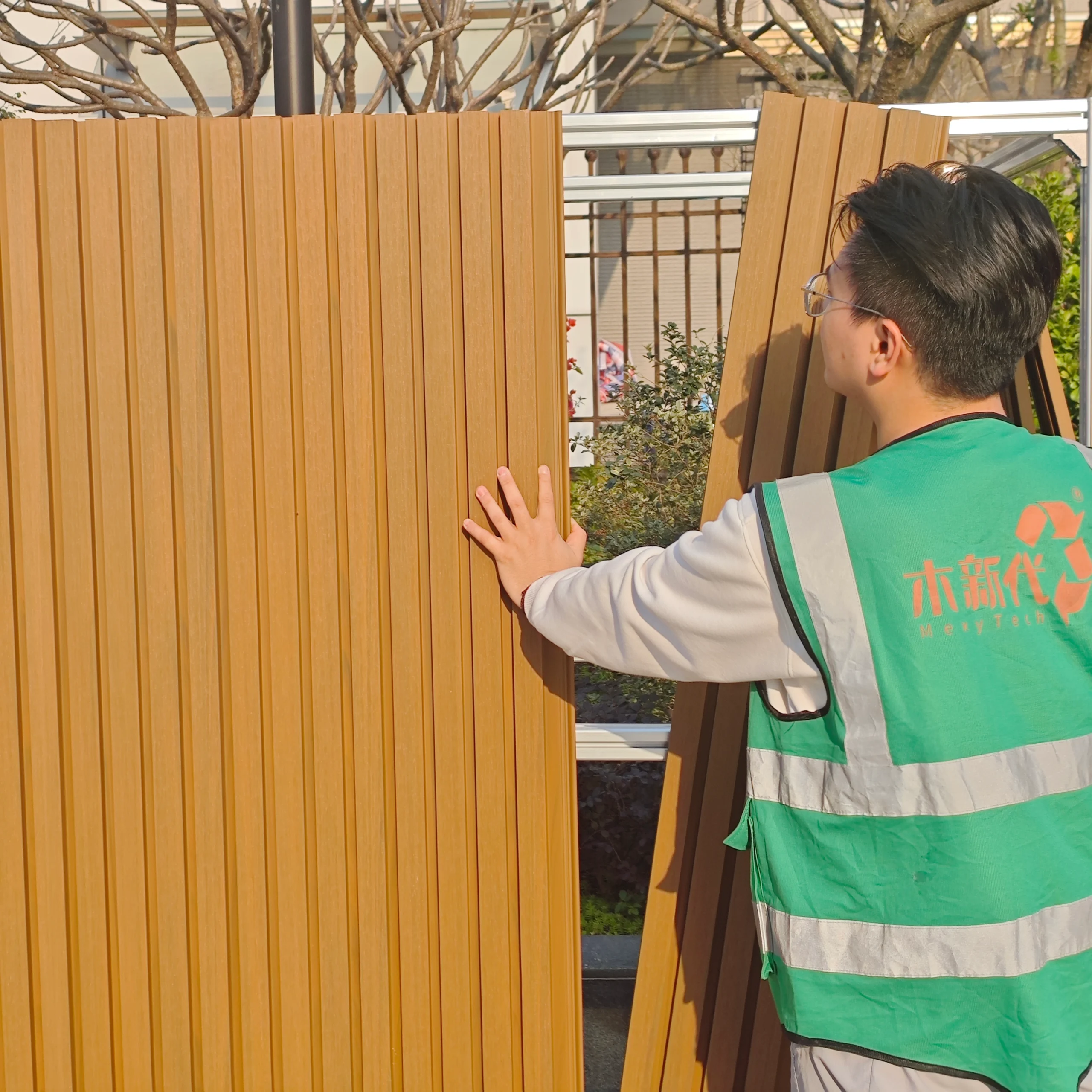
While not natural timber, WPC cladding mimics the appearance of wood while solving many of its inherent limitations. By combining wood fibers with recycled plastics, WPC retains the warm, natural look of wood but offers enhanced durability.
Advantages:
-
Resistant to rot, termites, moisture, and UV damage
-
Low maintenance and long-lasting
-
Maintains wood-like appearance without frequent sealing or painting
Limitations:
-
Slightly higher upfront cost than untreated wood
-
Some subtle differences in grain variation compared to natural timber
WPC is an excellent alternative for projects that require the beauty of wood without the maintenance challenges of natural timber.
Comparison Table: Best Exterior Wood Cladding Types
| Type | Appearance | Durability | Maintenance | Cost Level | Weather Resistance | Sustainability |
|---|---|---|---|---|---|---|
| Cedar | Warm, reddish-brown | High | Medium | High | High | Renewable |
| Redwood | Deep red, tight grain | High | Medium | High | High | Renewable |
| Pine | Light, versatile | Medium | High | Low-Medium | Medium | Renewable (treated) |
| Thermally Modified Timber | Natural wood, darker tone | High | Low | Medium-High | High | Eco-friendly |
| WPC | Wood-like | Very High | Low | Medium-High | Very High | Recyclable & eco-friendly |
Conclusion
Choosing the right wood cladding depends on your budget, desired aesthetic, and performance needs. Cedar and redwood provide premium, natural beauty, while pine is budget-friendly and versatile. Thermally modified timber offers chemical-free durability, and WPC combines the appearance of wood with modern performance advantages, solving the traditional limitations of natural timber.
For a durable, eco-friendly, and low-maintenance solution that still retains the look of wood, WPC cladding from MEXYTECH is an excellent choice. Please contact us at info@mexytech.com.