
Exterior cladding is constantly exposed to changing weather conditions, including rain, humidity, sunlight, heat, and cold. Because of this, weather resistance is one of the most important factors to consider when choosing a material for an exterior facade.
Composite timber cladding, also known as WPC cladding, combines wood fibers with polymer materials to create a wood-inspired exterior finish with improved resistance to many common outdoor conditions. MexyTech WPC cladding is designed for residential and commercial exterior applications where durability and low maintenance are important.
Is Composite Timber Cladding Weather-Resistant?
Yes. Quality composite timber cladding is designed specifically for outdoor use and can perform well in a wide range of climates when properly selected and installed.
Compared with untreated natural timber, WPC cladding offers improved resistance to moisture, rot, insects, and routine weather exposure. Co-extruded products can provide additional surface protection through an outer protective layer.
However, performance varies by product formulation, installation method, climate, and exposure conditions, so technical specifications should always be checked for individual projects.
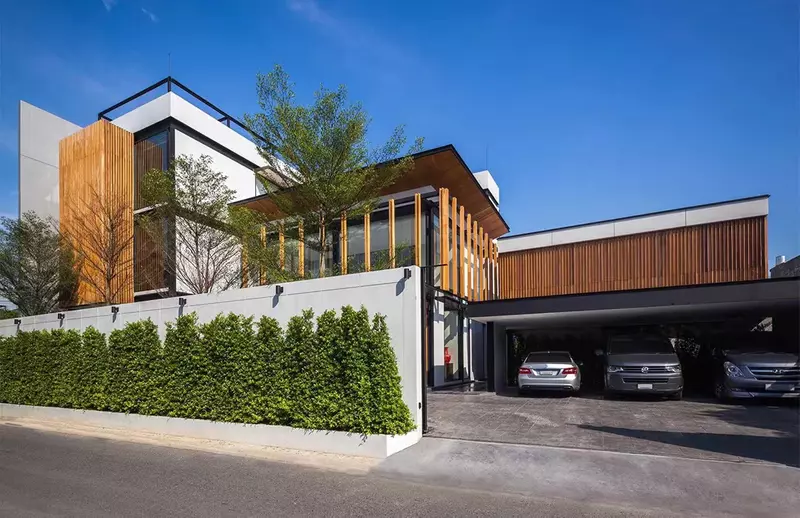
1. Moisture and Rain Resistance
One of the biggest concerns with exterior timber is prolonged moisture exposure.
Traditional wood can absorb water, which may contribute to swelling, decay, cracking, or other deterioration if it is not properly protected.
MexyTech composite cladding combines wood-based material with polymers, helping reduce water absorption compared with untreated timber. Co-extruded WPC cladding also incorporates a protective outer layer around the composite core.
This makes composite cladding particularly useful for buildings exposed to rain and humid outdoor environments.
Proper drainage, ventilation, flashing, and installation details are still essential to prevent water from becoming trapped behind the cladding system.
2. Resistance to Sunlight and UV Exposure
Building facades can receive direct sunlight for many hours every day.
UV exposure can gradually affect the appearance of almost any exterior material. WPC cladding is formulated for outdoor exposure, while co-extruded surfaces can provide additional protection against weathering and color change.
For projects in regions with intense sunlight, buyers should review the manufacturer’s UV and weathering test data when comparing products.
3. Performance in Hot and Cold Weather
Exterior cladding must also cope with seasonal temperature changes.
Composite materials naturally expand and contract as temperatures change. Therefore, correct installation gaps and fixing methods are important for maintaining long-term performance.
Following the recommended installation specifications allows the cladding system to accommodate normal thermal movement without unnecessarily restricting the boards.
4. Resistance to Rot and Insects
Another advantage of WPC cladding is its resistance to several problems commonly associated with natural timber.
Because composite boards are not simply untreated solid wood, they offer improved resistance to rot and insect-related deterioration.
This can be particularly valuable for exterior walls in humid climates or projects where reducing ongoing maintenance is a priority.
5. Low Maintenance in Outdoor Environments
Natural timber facades may require periodic painting, staining, or sealing to maintain their appearance and weather protection.
Composite timber cladding generally requires less routine maintenance.
Dirt and surface debris can typically be removed with appropriate routine cleaning, while the boards do not require regular staining or painting to maintain their wood-inspired appearance.
Always follow the manufacturer’s cleaning recommendations and avoid aggressive chemicals or methods that could damage the surface.
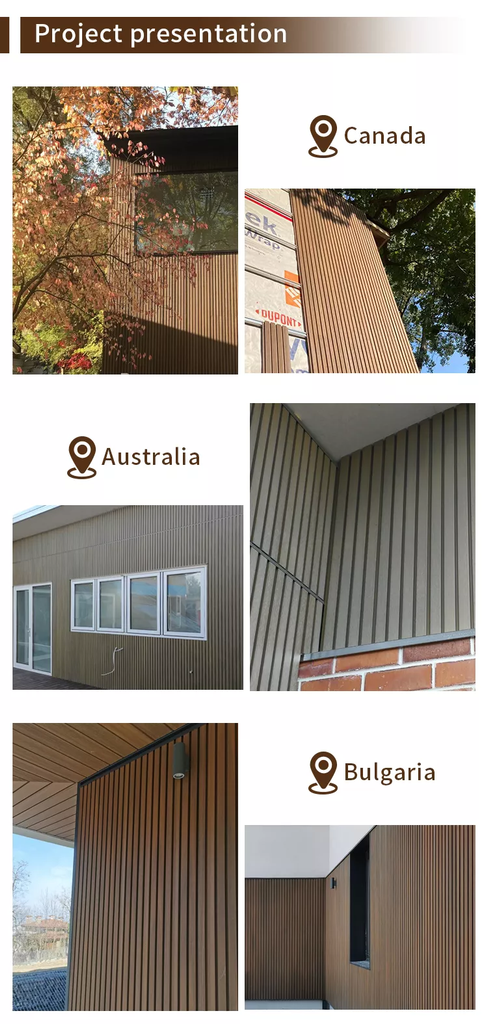
Does Composite Cladding Fade?
Some degree of color change can occur with exterior materials after prolonged weather exposure.
The extent depends on the WPC formulation, surface technology, color, UV exposure, climate, and product quality. Co-extruded composite cladding is designed to provide enhanced surface protection compared with basic uncapped WPC.
If color stability is particularly important for a large architectural project, reviewing physical samples and relevant accelerated-weathering test data before specification is recommended.
Why Choose MexyTech Composite Timber Cladding?
MexyTech offers WPC exterior cladding designed to combine the visual warmth of wood with the practical advantages of composite materials.
With options including co-extruded surfaces, wood-grain textures, different profiles, and multiple colors, the cladding can be adapted to a wide range of residential and commercial architectural styles.
For exterior projects, the correct profile, substructure, ventilation, expansion allowance, and installation method should be selected according to the building design and local conditions.
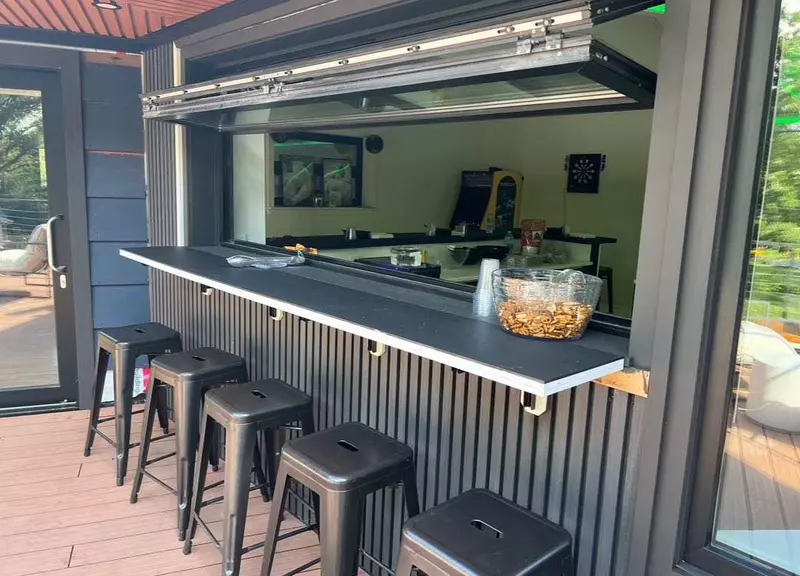
A Practical Choice for Exterior Walls
So, how weather-resistant is composite timber cladding? When a quality WPC product is correctly specified and installed, it can provide strong resistance to moisture, outdoor weathering, rot, and insects while requiring less routine maintenance than conventional timber.
These characteristics make MexyTech composite timber cladding a practical option for architects, builders, developers, and homeowners looking for a durable wood-inspired exterior.
For WPC cladding specifications, colors, samples, installation information, or project recommendations, contact MexyTech at info@mexytech.com.